
Report from São Paulo Art Week 2026
Anchored by SP-Arte 2026, São Paulo Art Week reflects the strength and independence of Brazil’s art market. The fair was installed within the Biennale Pavilion, a testament to the genius of the iconic modernist Oscar Niemeyer. Built for São Paulo’s inaugural Biennial in 1954, the pavilion’s architectural design remains remarkably well-suited to a contemporary fair format even after 72 years. Beyond the fair itself, the week unfolded through a layered program of exhibitions, studio visits, collector gatherings, and architectural encounters, offering a more immediate, relational understanding of São Paulo’s art ecosystem—one in which access to artists, spaces, and private collections invited direct interpretation.
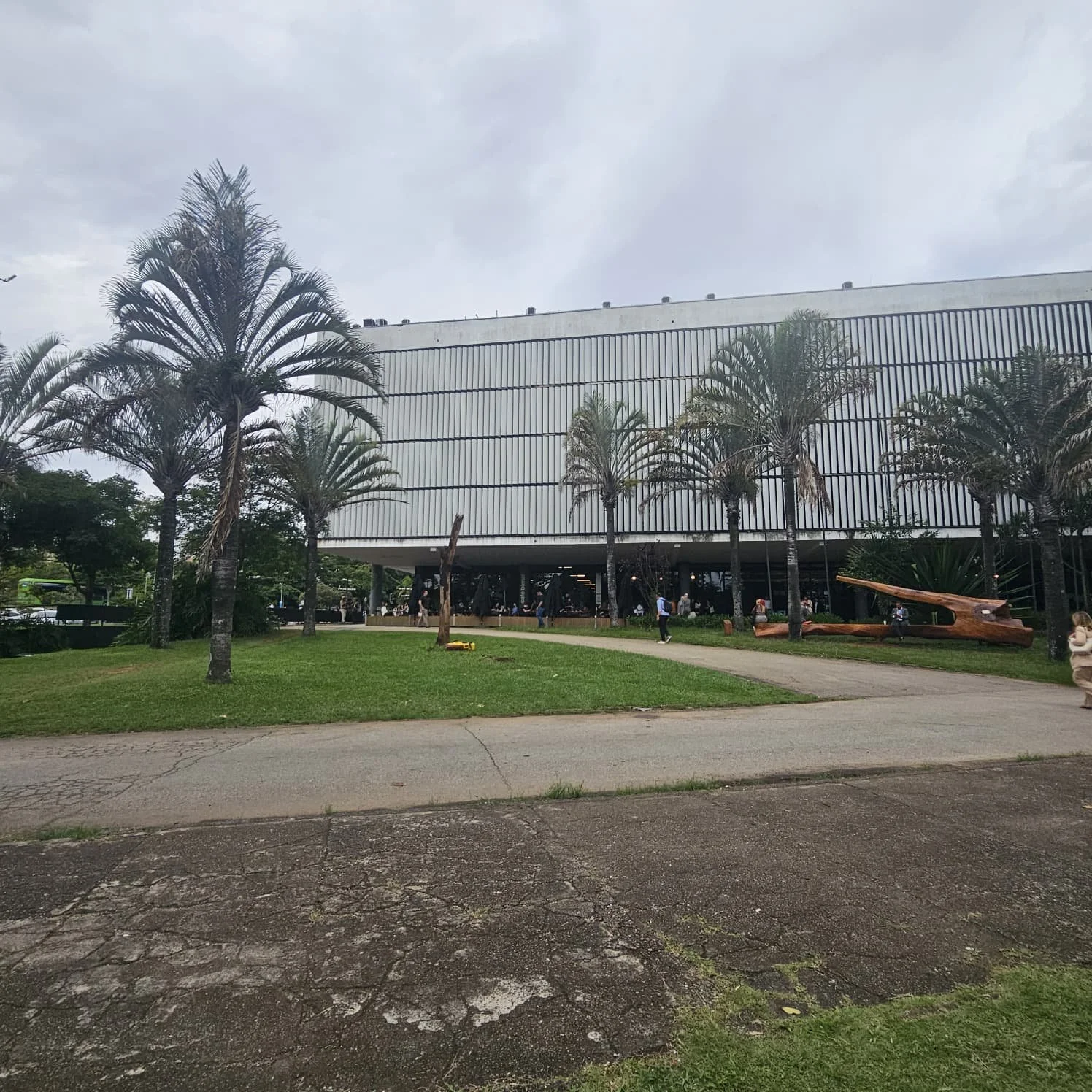
Exterior view of the Ciccillo Matarazzo Pavilion, Oscar Niemeyer’s 1954 modernist masterpiece in Ibirapuera Park, São Paulo
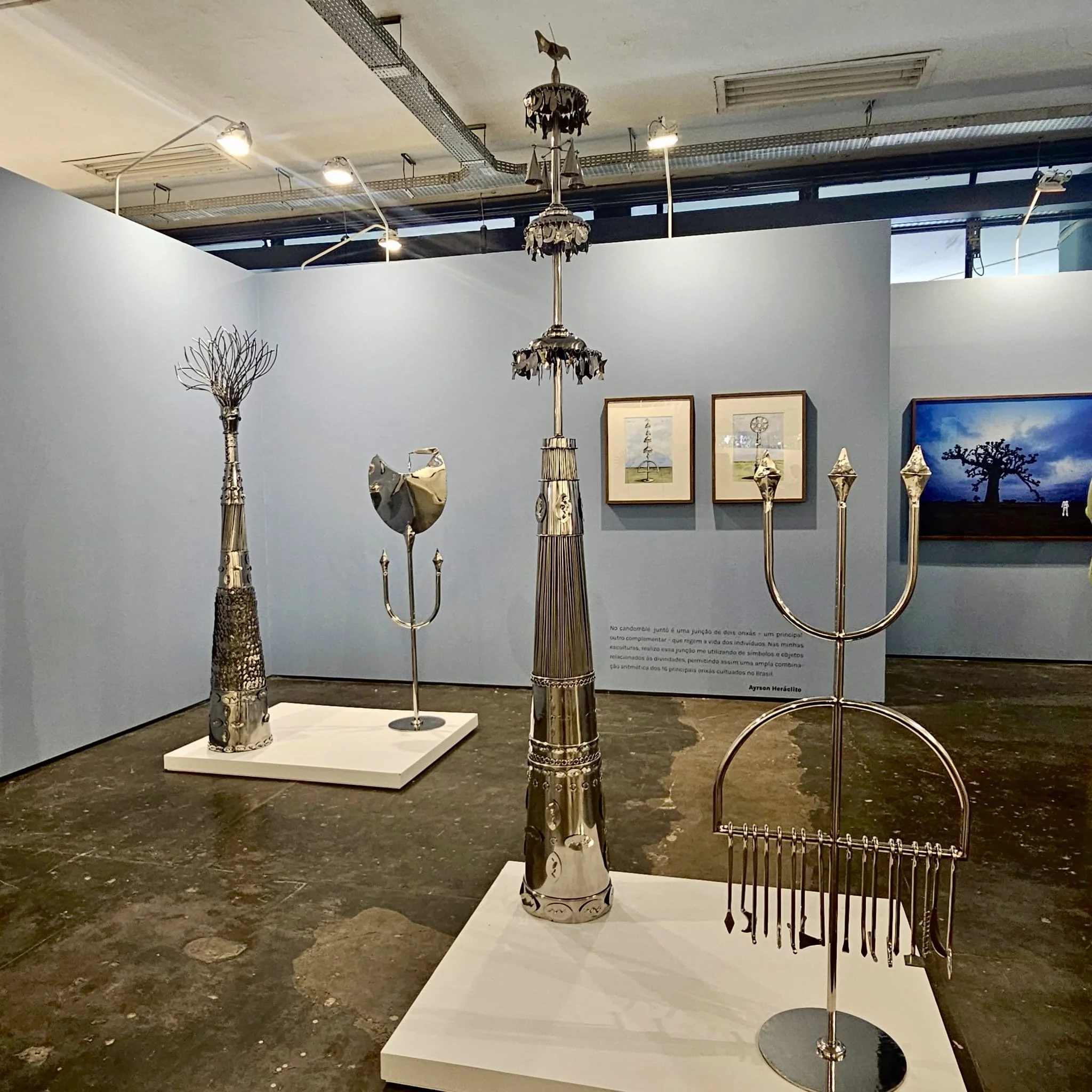
Art Courtesy of Artist & Gallery: Ayrson Heráclito, Installation View, @ Paulo Darzé Gallery: Sp-Arte São Paulo
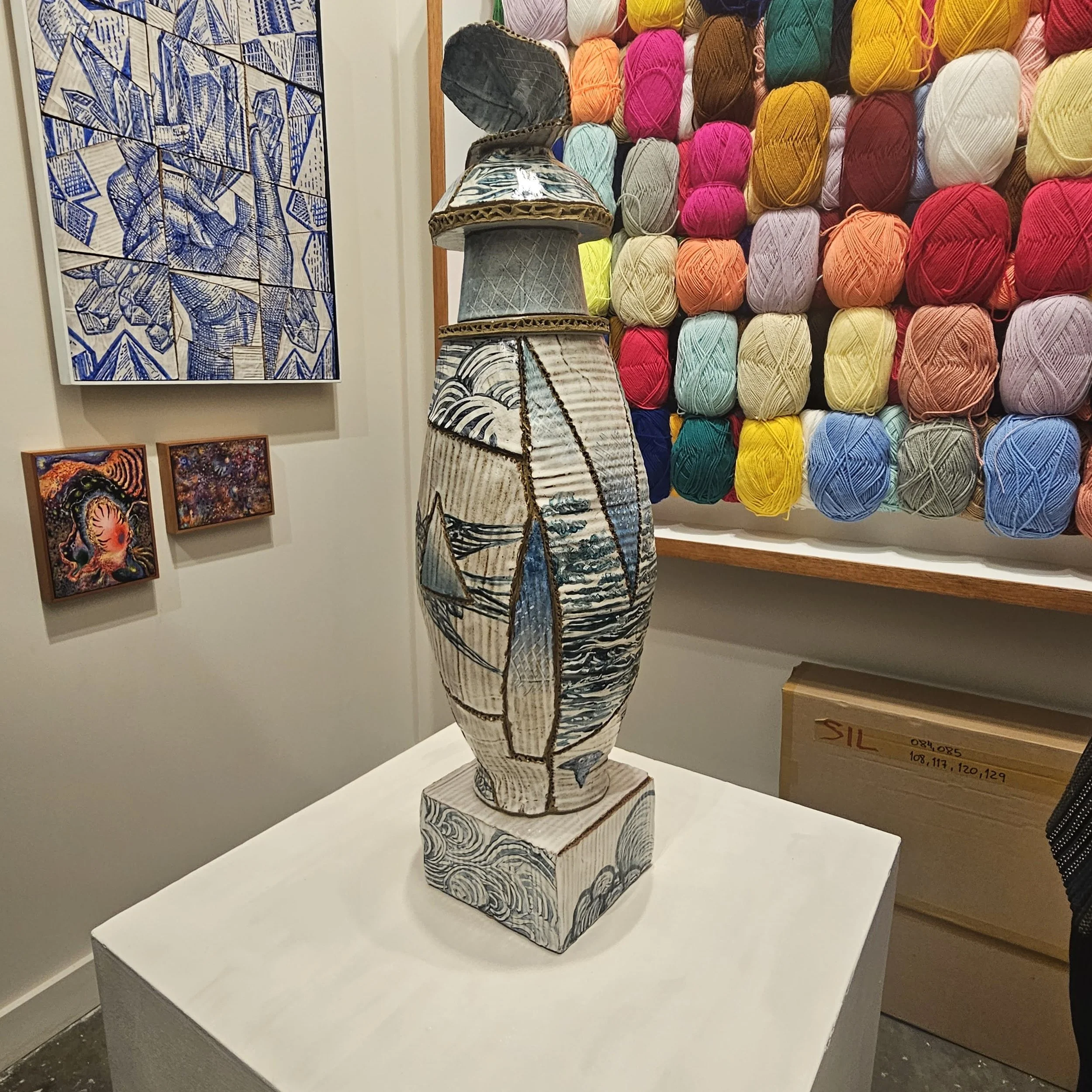
Art Courtesy of Artist & Gallery: Sculpture by Rodrigo Torres, “Acima do Horizonte,” 2026 @ A Gentil Carioca Gallery: Sp-Arte São Paulo. Back work by Pascale Marthine Tayou, currently @ Pinacoteca de São Paulo, represented by Galleria Continua and A Gentil Carioca Gallery
Recently, I was fortunate to be invited to the 28th Edition of the Art Immersion Trip grant, supported by Latitude Brasil—an initiative developed by ABACT in partnership with ApexBrasil—to expand the international reach of Brazil’s contemporary art and art market. The program brings together leading galleries, artists, curators, advisors, and collectors to foster long-term relationships across the art world. Latitude also plays a meaningful role in supporting Brazilian galleries abroad, including its strategic curatorial installation at The Armory Show in 2021, which served as a key platform for global recognition.
Over a week of visits to dozens of galleries, museums, and studios, several themes and critical positions emerged in different contexts. Notably, historical threads connecting Brazil’s modernist legacy to the present often stem from a profound sense of cultural origin, situated within broader contemporary dialogues. Most evident was a renewed focus on materiality, as makers engage deeply with craft, traditional techniques, and the handmade. Across varied forms and expressions, a neo-surrealist impulse also surfaced—one more decidedly aligned with the lineage of Magic Realism than with its Eurocentric counterpart. The visual language frequently intersected with a sustained historical engagement with Modernism, producing an aesthetic dialogue that feels particularly resonant within São Paulo’s extraordinary Brutalist spaces, which further intensify the experience.
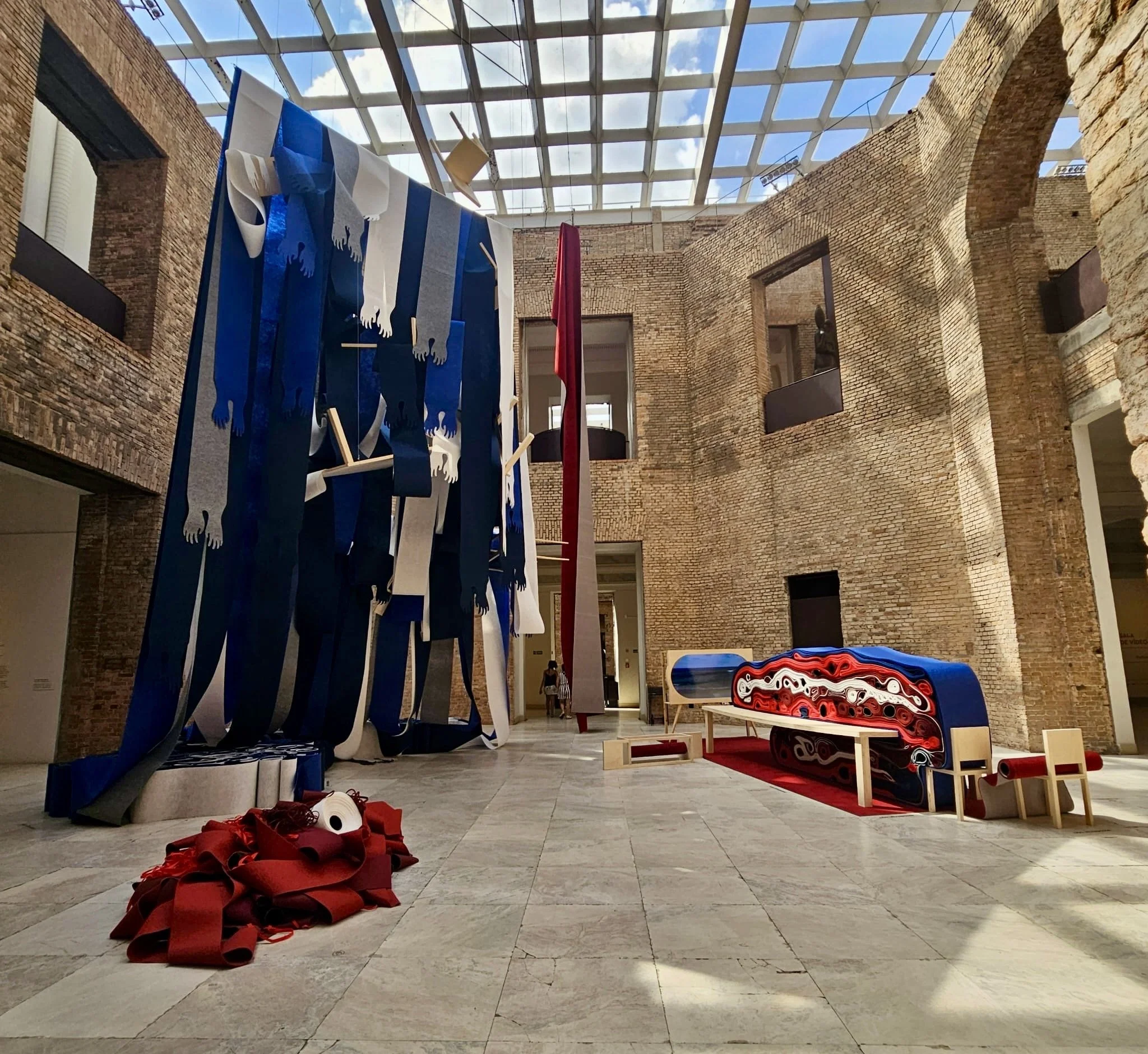
Art Courtesy of Artist: Christina Salgado, “The Mother Contemplates the Sea,” Exhibition View @ Pinacoteca de São Paulo
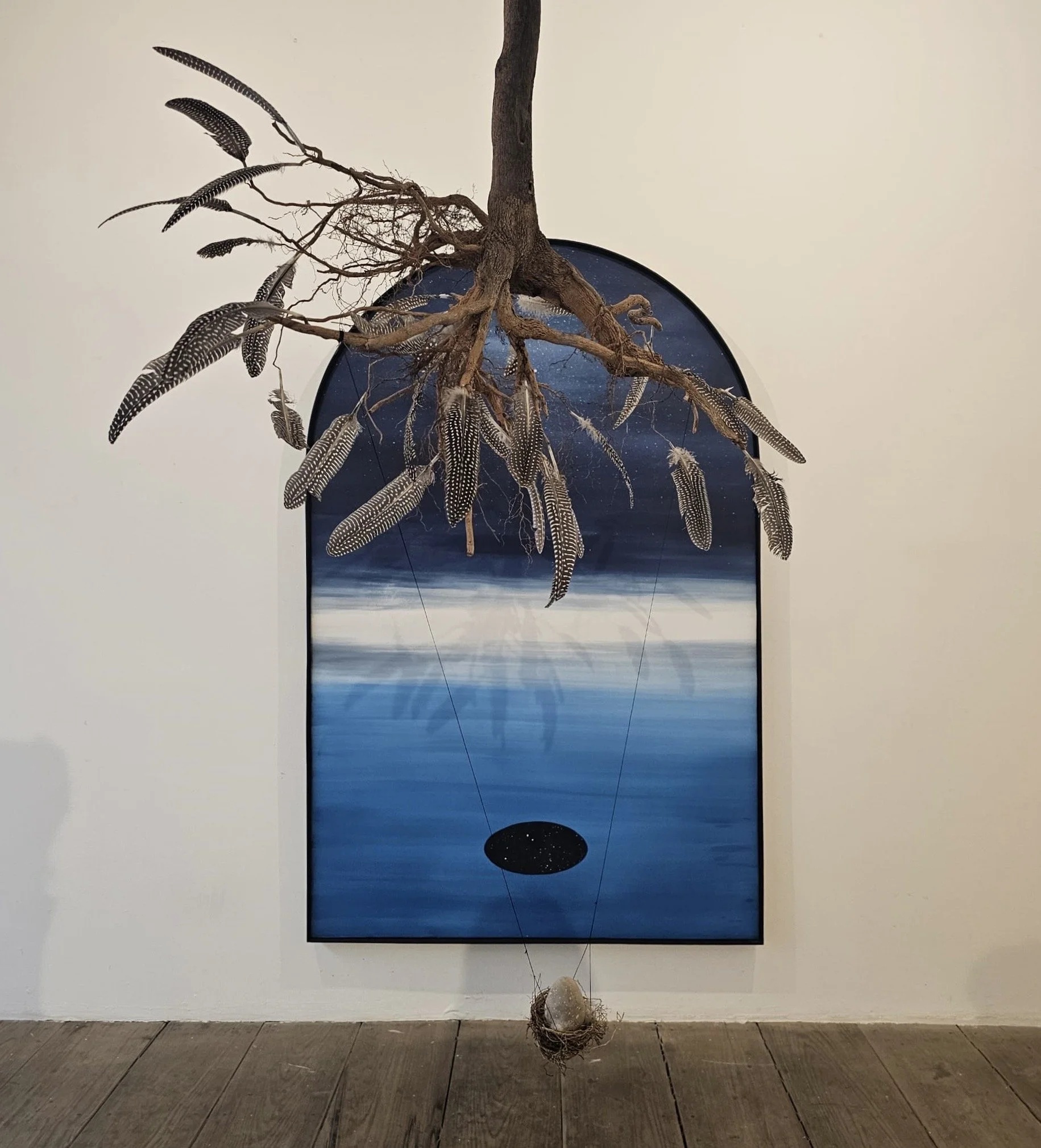
Art Courtesy of Artist & Gallery: Thiago Rocha Pitta, “Stolen Abyss,” 2024 & “The Bird’s Ramble, Yet to Come,” 2026 @ Marilia Razuk Gallery
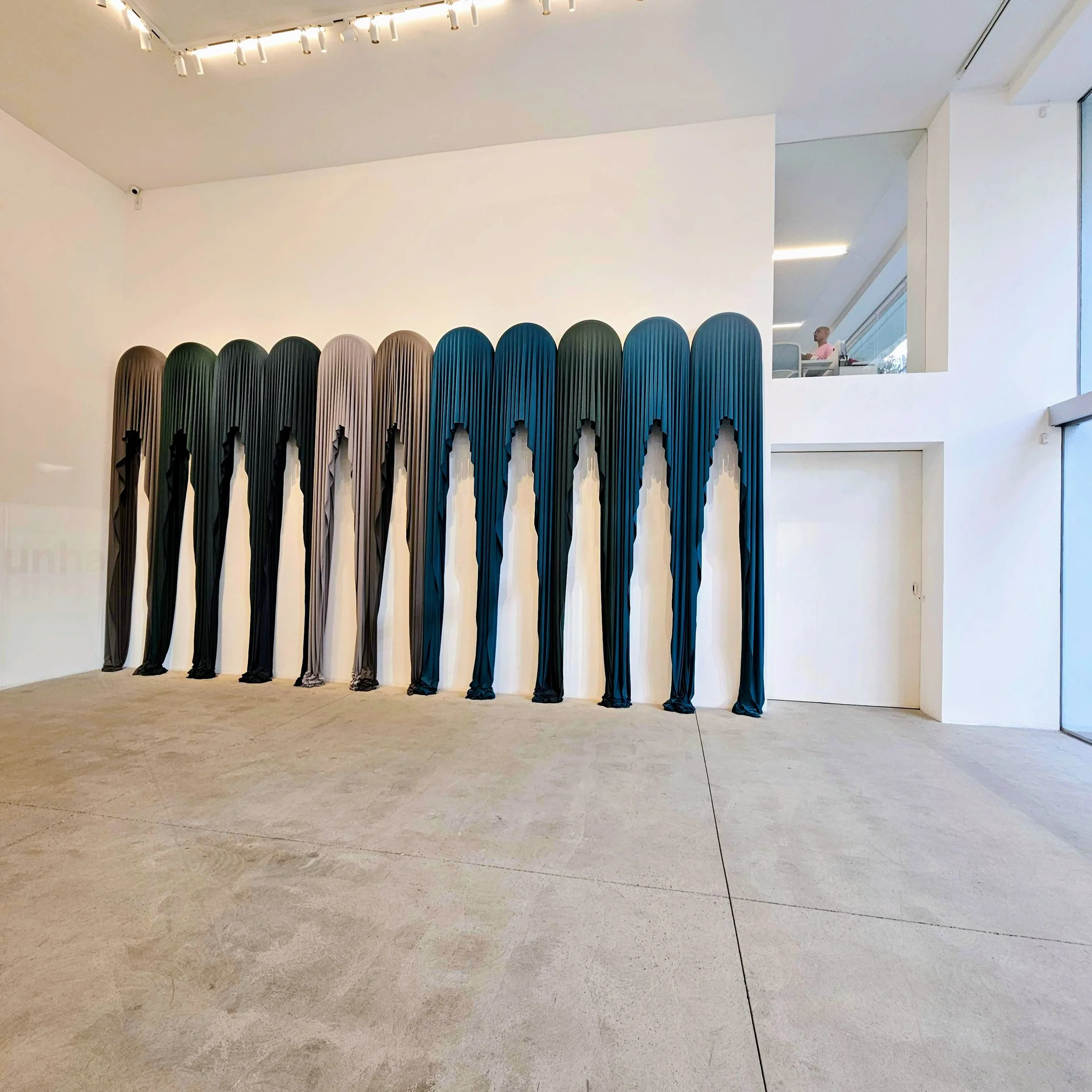
Art Courtesy of Artist & Gallery: Alexandre da Cunha “Colunata,” 2026 @ Gomide&Co Gallery
Additionally, the ubiquitous label “Indigenous art” merits reconsideration: it is both categorically limiting and problematic in its implied separation from art history. This fertile area of creative production is foundational to Brazilian art—not only for its aesthetic depth and historical import, but because it also poses vital questions, critiques power structures, and challenges dominant cultural narratives that must be rewritten, retold, and reevaluated. By embracing traditions, rituals, spirituality, and collective forms of expression central to ancient creative practices, artists working within these lineages offer complex alternatives to the teleological narratives codified by Western art history—underscoring the need to revise the canon.
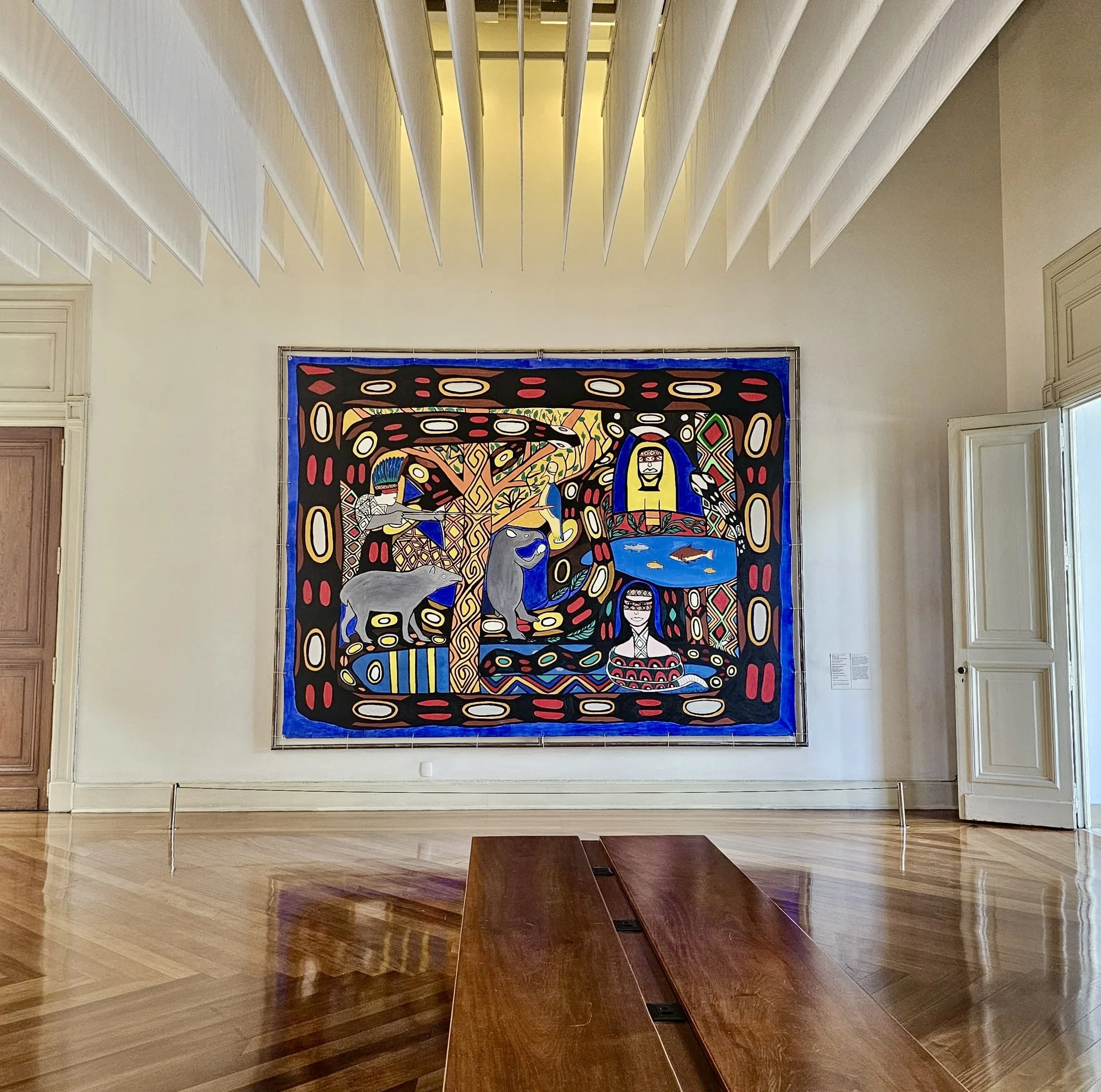
Art Courtesy of Artists: MAHKU, “Yame Awa Kawanai,” 2020 @ Pinacoteca de São Paulo, represented by Carmo Johnson Project
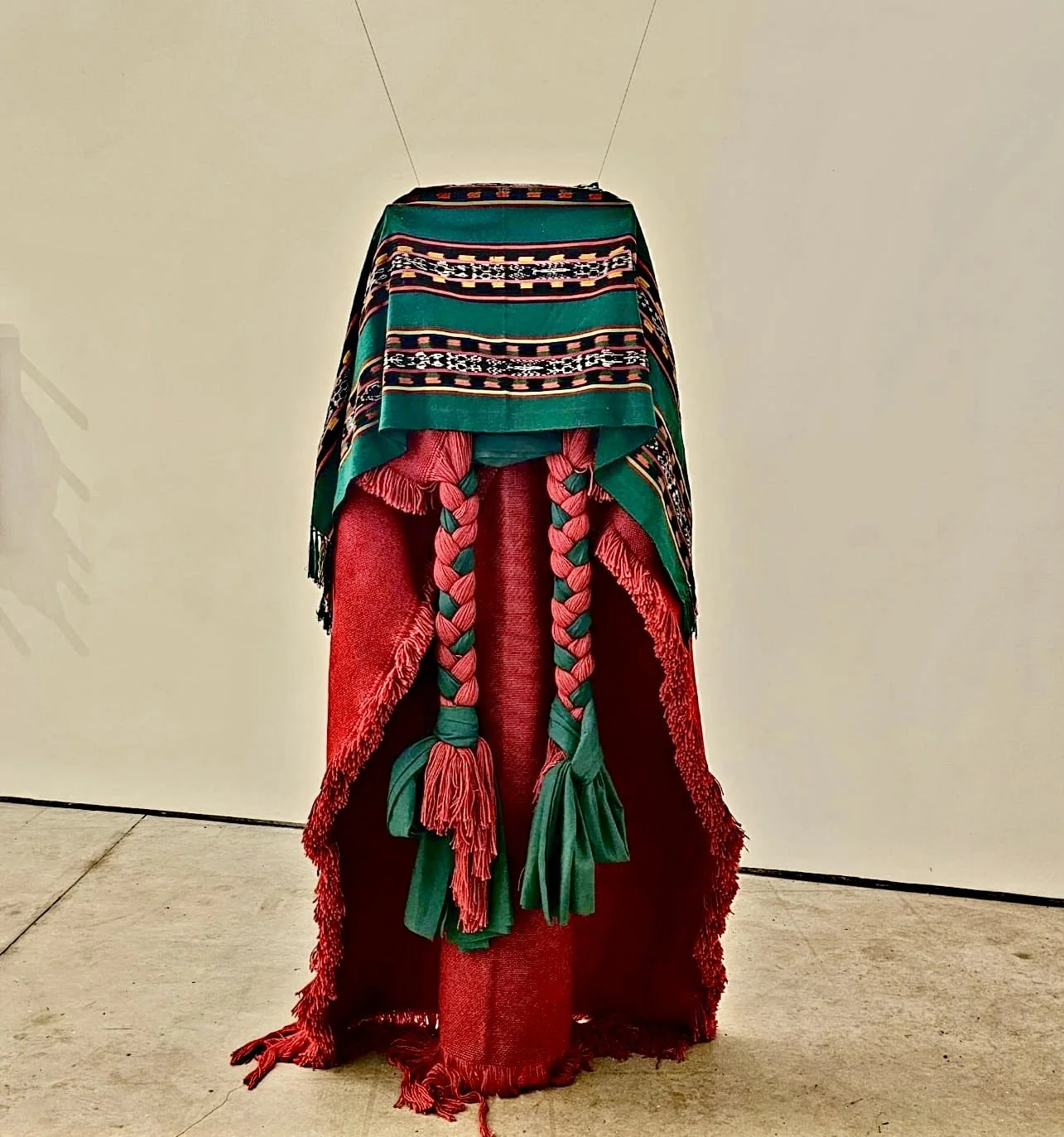
Art Courtesy of Artist & Gallery: Antonio Pichillá @ Luciana Brito Gallery
Building on these expanded frameworks, emblematic working practices include artists who consciously collapse modernist boundaries among art, design, and decorative arts to engage broader dialogues on material culture and intersectionality. Brazilian artists have also sustained a long-standing engagement with environmentalism and were early contributors to activist art-making; their influence warrants greater acknowledgment in the US and Europe. Their deep respect for—and visionary awareness of—nature’s fragility was on full display throughout the week, including secondary-market works by the inimitable Frans Krajcberg, a Polish immigrant who lived for decades in a treehouse, to honor and advocate for rainforest preservation. In addition to fine art, the fair included a design section that felt fresh, highlighting emerging practitioners. Industrial designer Érico Gondim creates functional, upcycled furniture from recycled urban water pipes and exemplifies the inventive spirit alive in the city, for which he was awarded this year’s Arauco SP-Arte Innovation and Sustainability Award 2026.
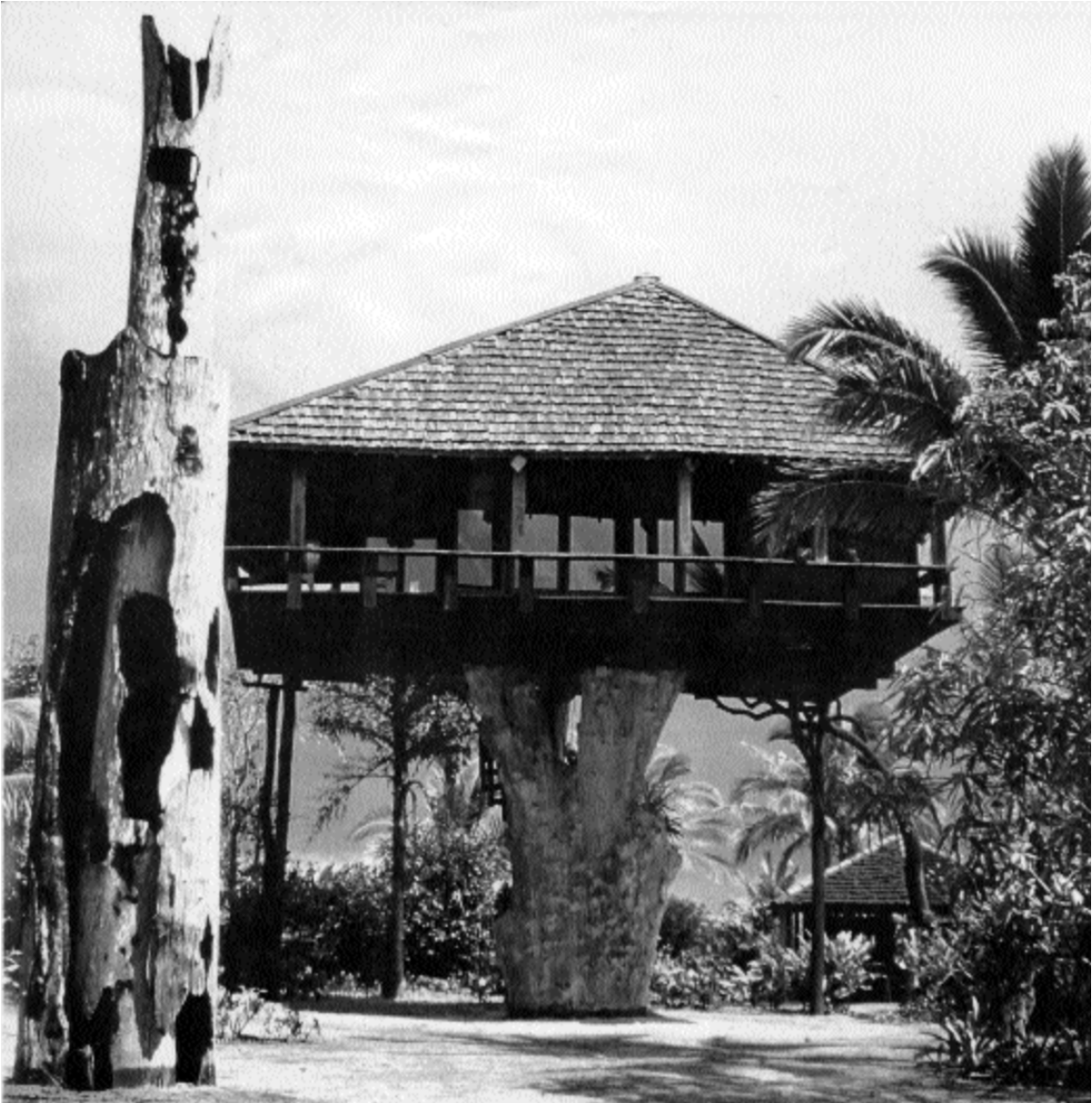
Art Courtesy of Artist: Frans Krajcberg’s legendary treehouse, Casa de Krajcberg by architect Zanini Caldas, Nova Viçosa, Bahia
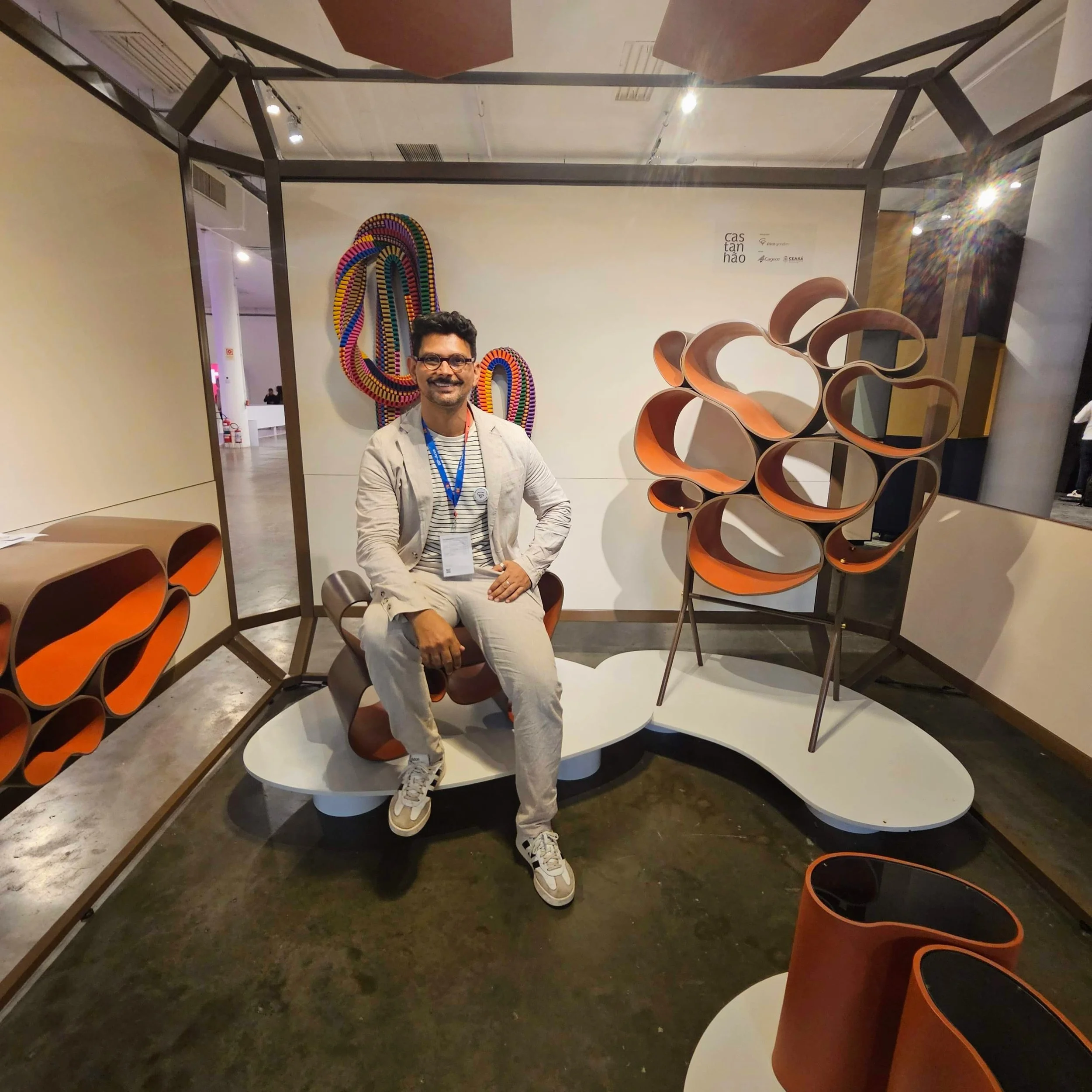
Art Courtesy of Artist: Érico Gondim @ Design NOW: Sp-Arte São Paulo
One of the strongest solo exhibitions during the week was the presentation of Marco A. Castillo by Nara Roesler, curated by Livia Debbane. Installed within the modernist Casa Domschke, a project by architect Vilanova Artigas, the multimedia show expands upon Castillo’s ongoing investigation into Latin American modernism, design, and political memory through materially precise, architecturally responsive works. Another notable showing was a posthumous retrospective of Hudinilson Jr.’s multi-media body of work, which engages with themes of identity, reproduction, and queer corporeality at Martins&Montero Gallery, providing a South American countervoice to the 1980s American renegades, including Robert Mapplethorpe and David Wojnarowicz.
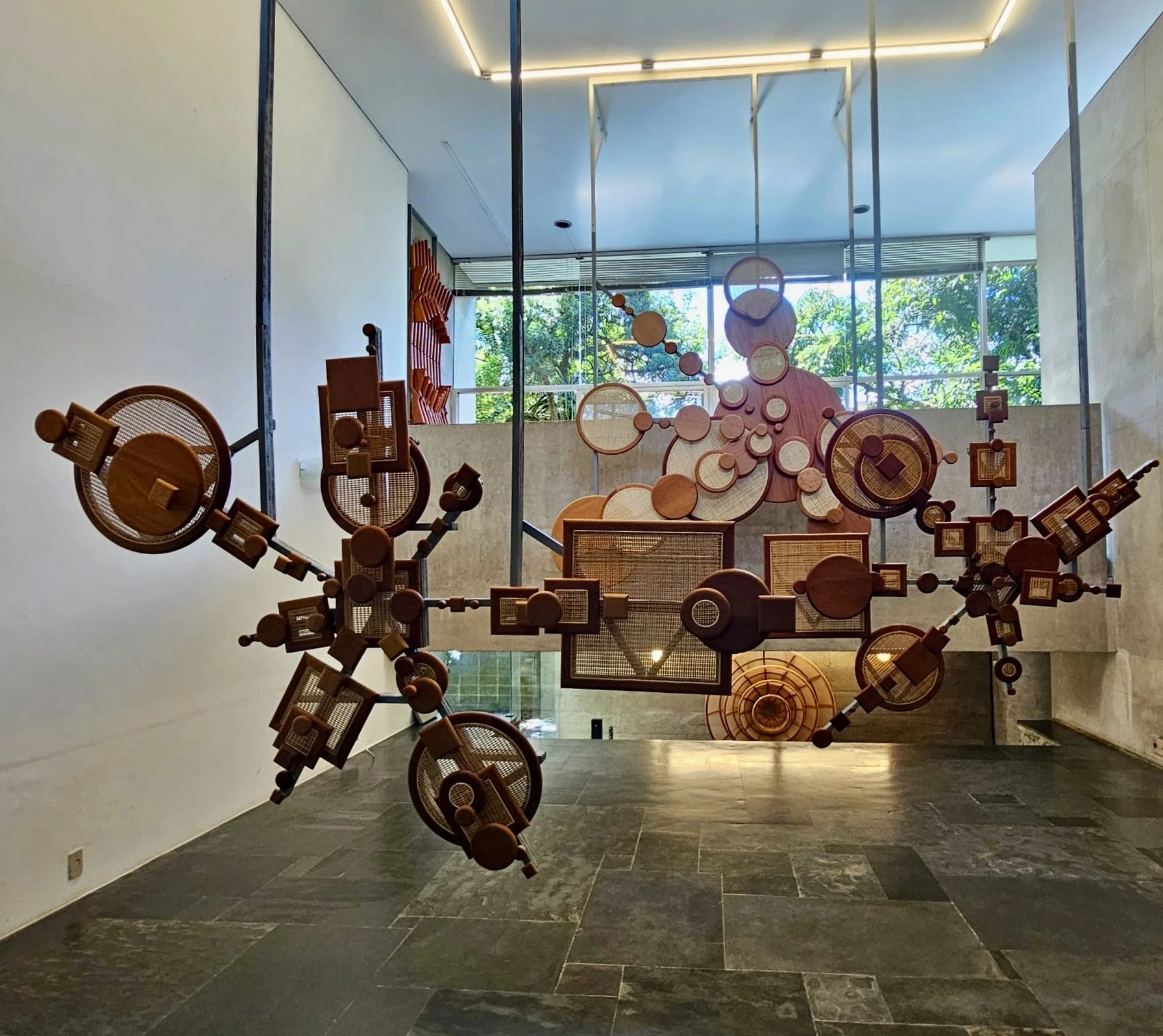
Art Courtesy of Artist & Gallery: Marco A. Castillo in situ Casa Domschke, curated by Vilanova Artigas & presented by Nara Roesler Gallery
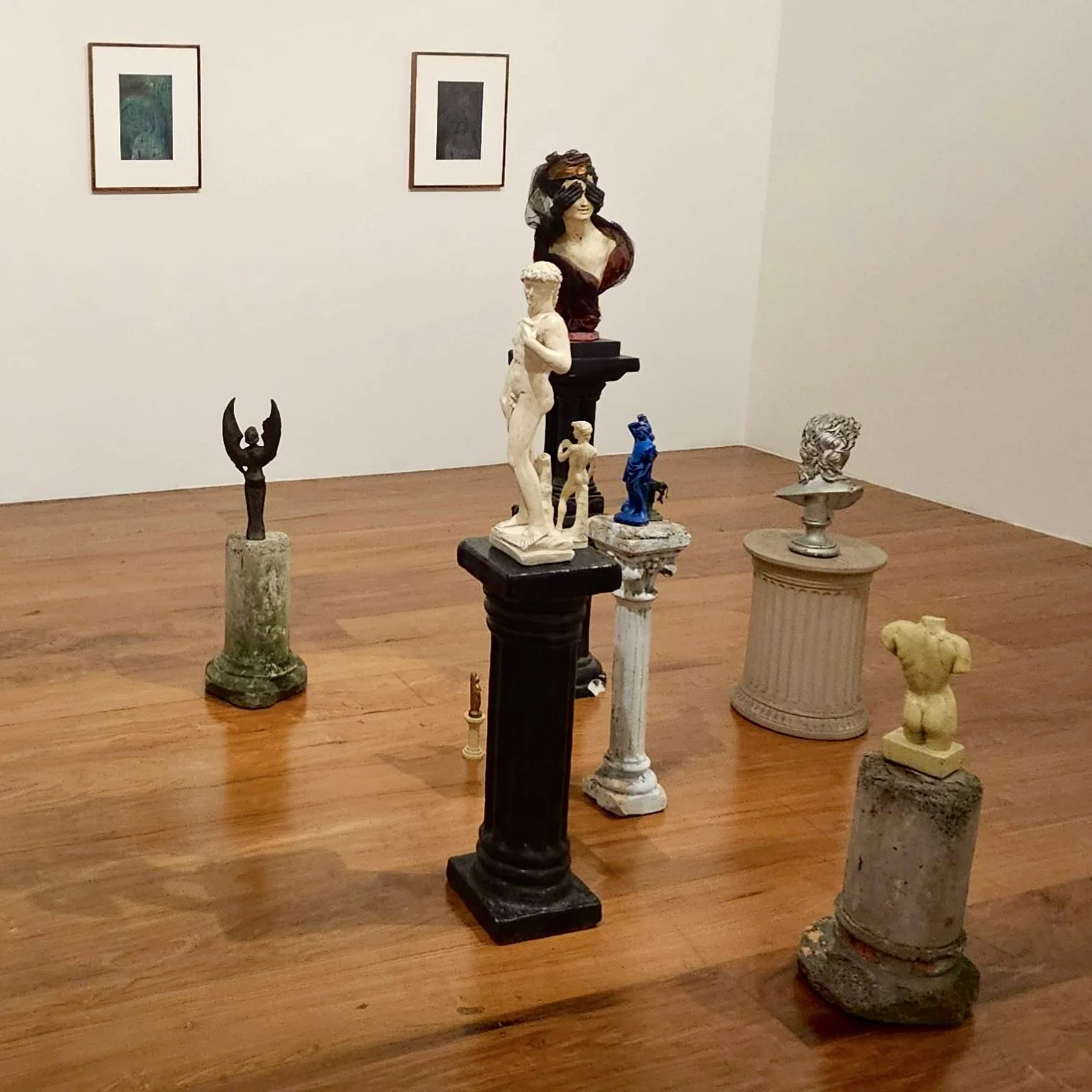
Art Courtesy of Artist & Gallery: Hudinilson Jr.’s Exhibition Installation @ Martins&Montero Gallery
One of the most memorable aspects of the week was the opportunity to interact with artists, their gallerists, and curators in intimate settings, including historic architectural spaces that provided a unique and important framework for Brazil’s cultural history. Without the highly filtered, commercial administration of events and conversations, our group was encouraged to engage in open dialogue, which was once ordinary in the 1990s contemporary art world but has become increasingly difficult to experience within the current milieu of New York or London. Highlights included meeting Belony Ferreira, the 80-year-old activist and self-trained artist working with earthen materials for her show “Alma Terra,” curated by Paula Ramos at Carmo Johnson Projects. Additionally, our studio visit with the breakout star Diambe allowed for an extended discussion of their evolving practice and a preview of their works in progress for a forthcoming major exhibition in Europe. Mendes Wood MD gallery presented a series of solo exhibitions by Lygia Pape, with a portion of the show contextualized within Casa Iramaia, an architectural gem. The gallery exhibition portion included rare historic works, including the 1968 piece “Roda dos prazeres (Wheel of Pleasures)” as a participatory reenactment that underscored the enduring relevance of her visionary practice. Additionally, Zipper Gallery presented “Acorda,” a monumental installation by Janaina Mello Landini, and Simões de Assis Gallery showcased luscious paintings by Thalita Hamaoui in “Corpo de Vento,” which sold out following her rapid market ascent with her US representation by Marianne Boesky Gallery.
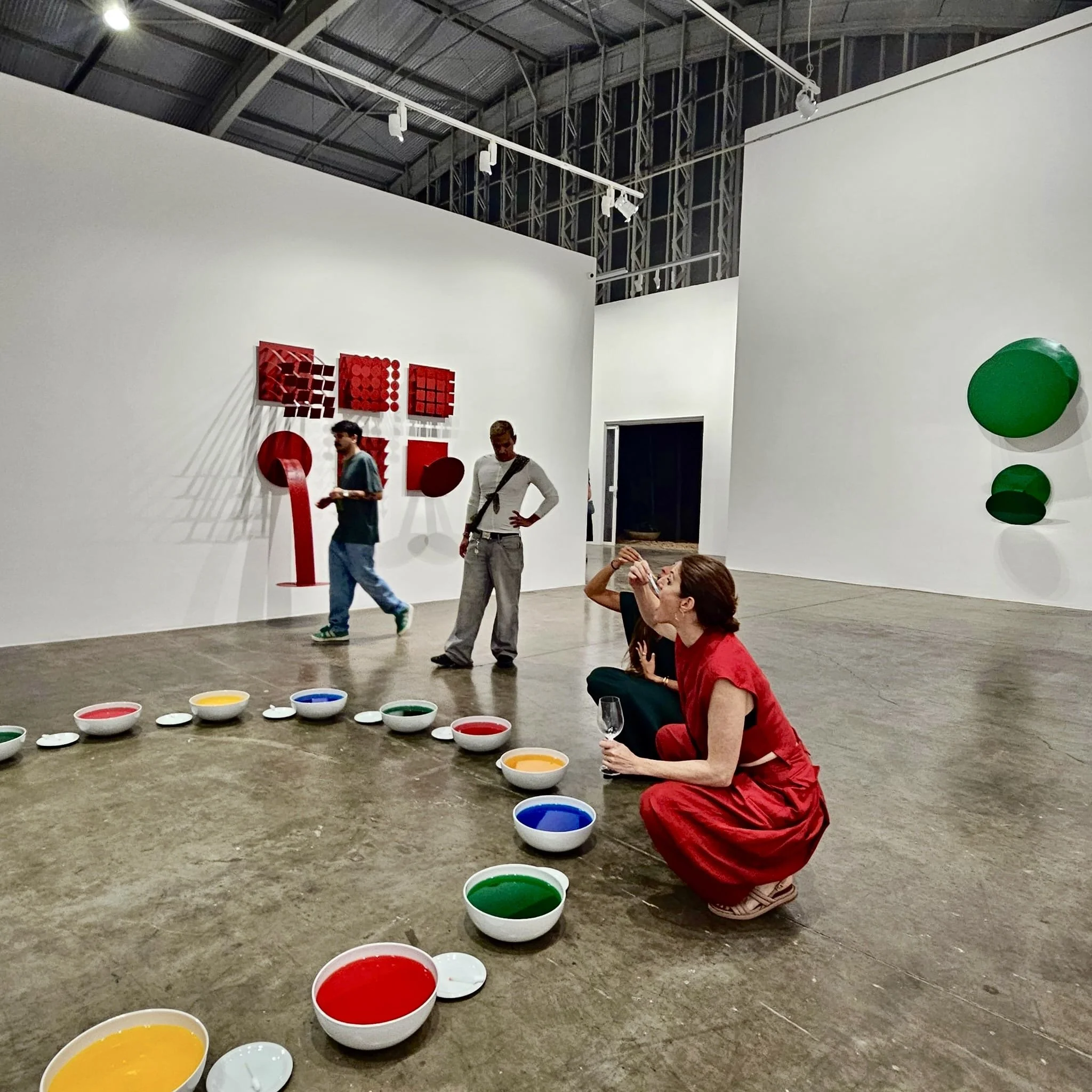
Art Courtesy of Artist & Gallery: Lygia Pape, “Roda dos prazeres (Wheel of Pleasures),” 1968 @ Mendes Wood DM Gallery
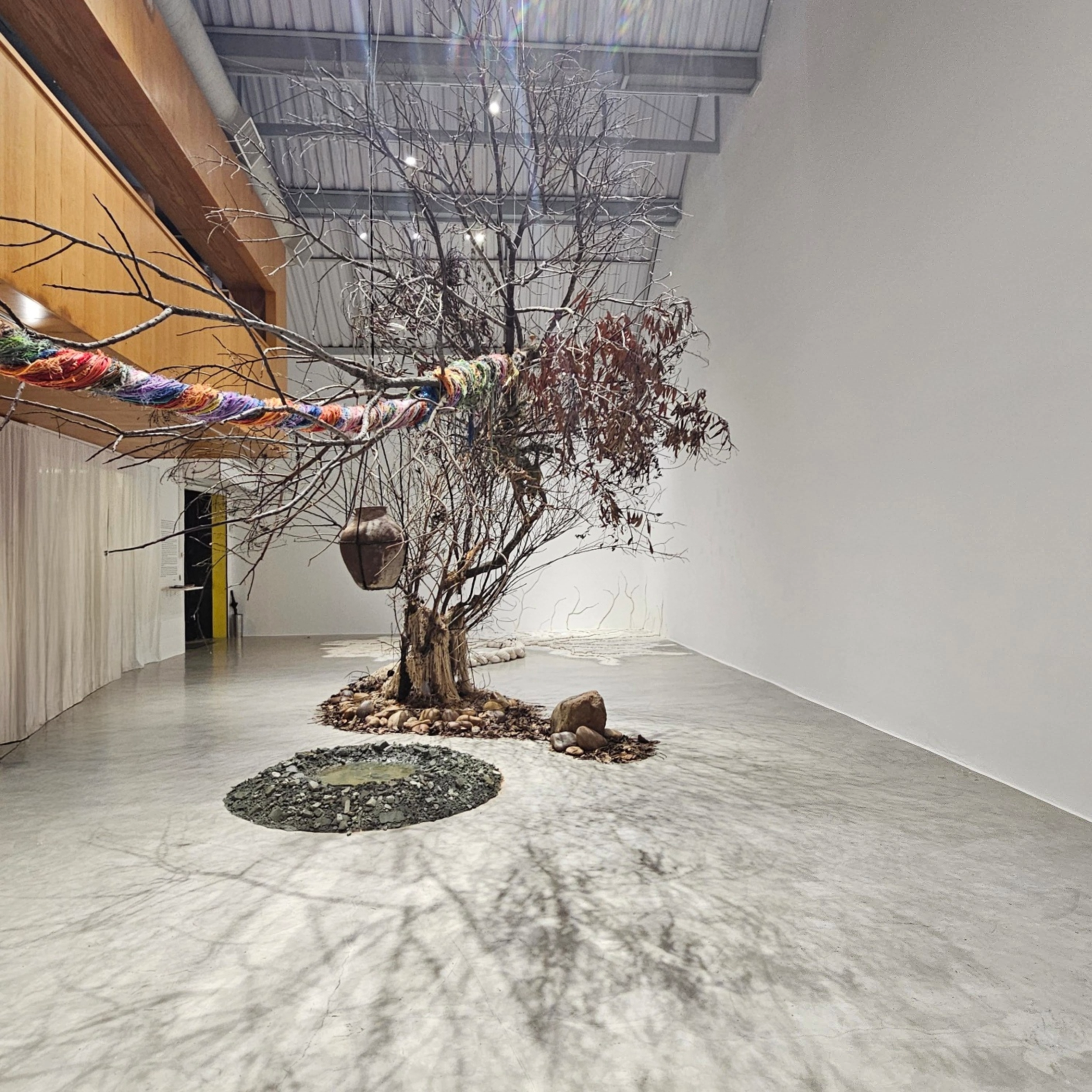
Art Courtesy of Artist & Gallery: Janaina Mello Landini’s Installation, “Ciclotrama 141 (épura),” 2019 @ Zipper Gallery
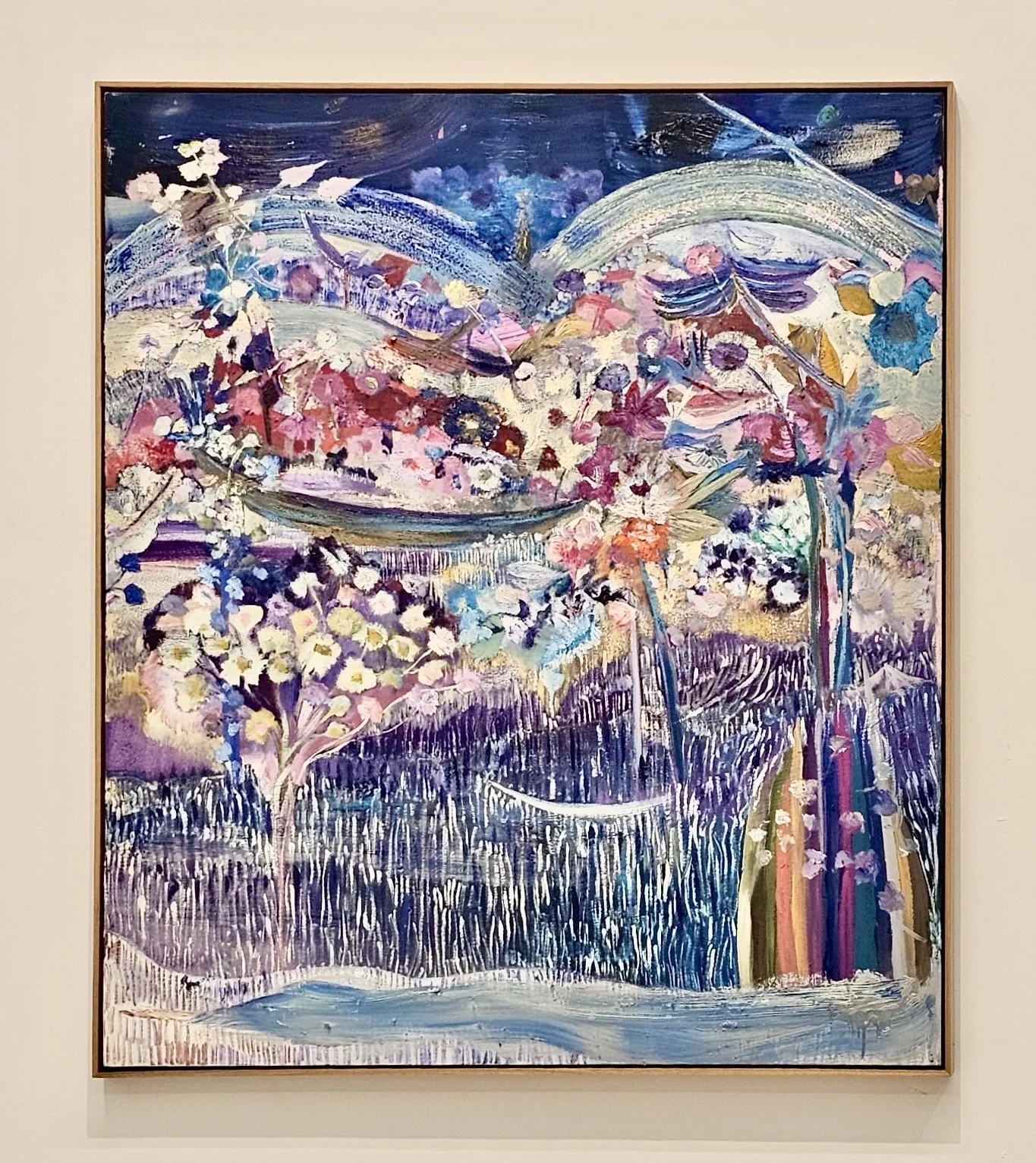
Art Courtesy of Artist & Gallery: Thalita Hamaoui, “Mina de estrelas,” 2026 @ Simões de Assis Gallery
Brunch at the home of Fernanda Feitosa was more than a social gathering; it offered a rare, personal insight into the literati of curators, collectors, and artists who have championed Brazilian art across generations, including the renowned Ernesto Neto, tracing its trajectory from Modernist roots to the contemporary moment. This continuity between private passion and public stewardship extends to the Galpão da Lapa collection, a monumental project by Andréa and José Olympio da Veiga Pereira, who have been named ARTnews Top 200 Collectors since 2014. Their collection comprises approximately 2,700 works and reflects three decades of commitment—operating on par with many public institutions. The space, designed with Felippe Crescenti and managed by Sophia Whately, invites external curators to interpret the collection and broaden engagement with Brazilian art. Through this fluid approach to collecting, the Pereiras ensure their vision supports not only their own legacy but also Brazil’s enduring cultural heritage—an ideal model for how private engagement can sustain a nation’s collective artistic future and cultural patrimony.
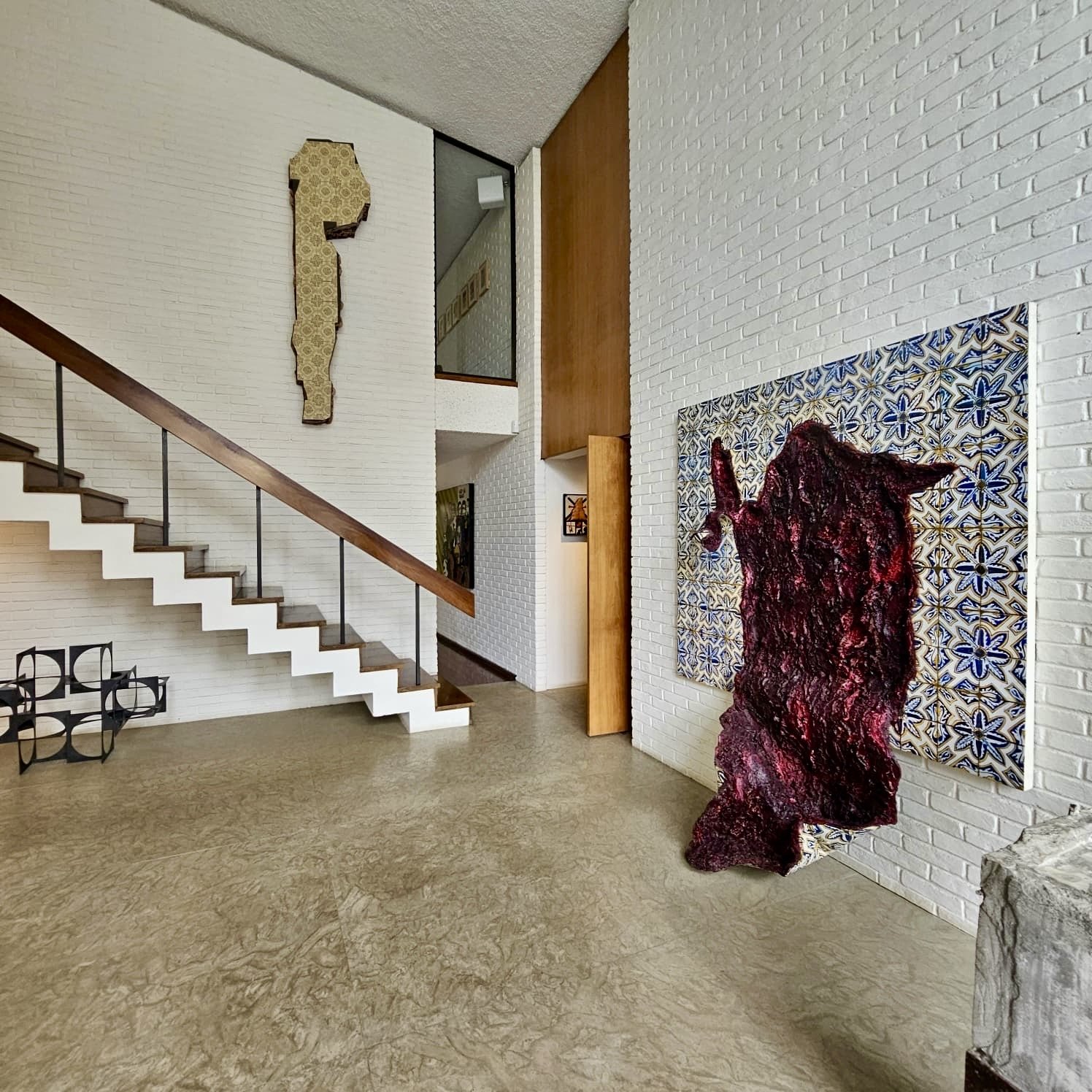
Art Courtesy of Artist: Fernanda Feitosa’s private collection, including work (right) by Adriana Varejão
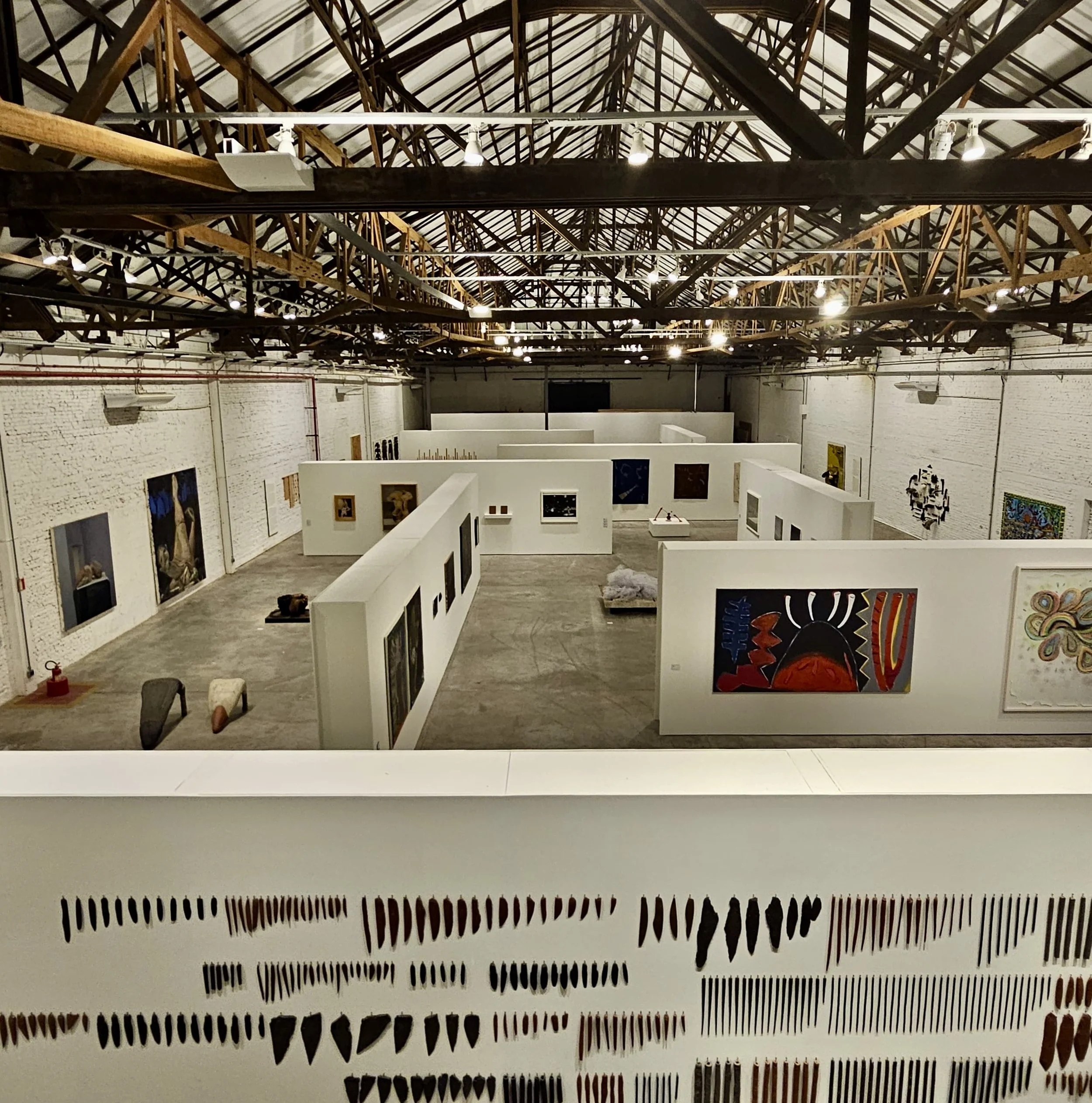
Galpão da Lapa, Private Collection of Andréa da Veiga Pereira and José Olympio da Veiga Pereira, Installation View
A similarly expansive curatorial vision—framing Brazilian culture as a dialogue between art and architecture—is evident in the annual exhibitions produced by the team of curators at Aberto5, led by Filipe Assis and including Claudia Moreira Salles, Kiki Mazzucchelli, and guest curator Fernando Serapião. This year’s exhibition brings together more than sixty works by approximately fifty Brazilian and international artists in architectural settings conceived to respond to the iconic postmodern language of Eduardo Longo’s Casa Bola. The week offered a rare opportunity to view contemporary Brazilian art through—and in dialogue with—its distinguished architectural history. Given the country’s essential role in shaping 20th-century modernism, including its future-forward urban planning, its visual legacy continues to inform contemporary culture today. Within this language is a strong solidarity around place and identity, which asserts Brazil’s belonging within a broader global conversation.
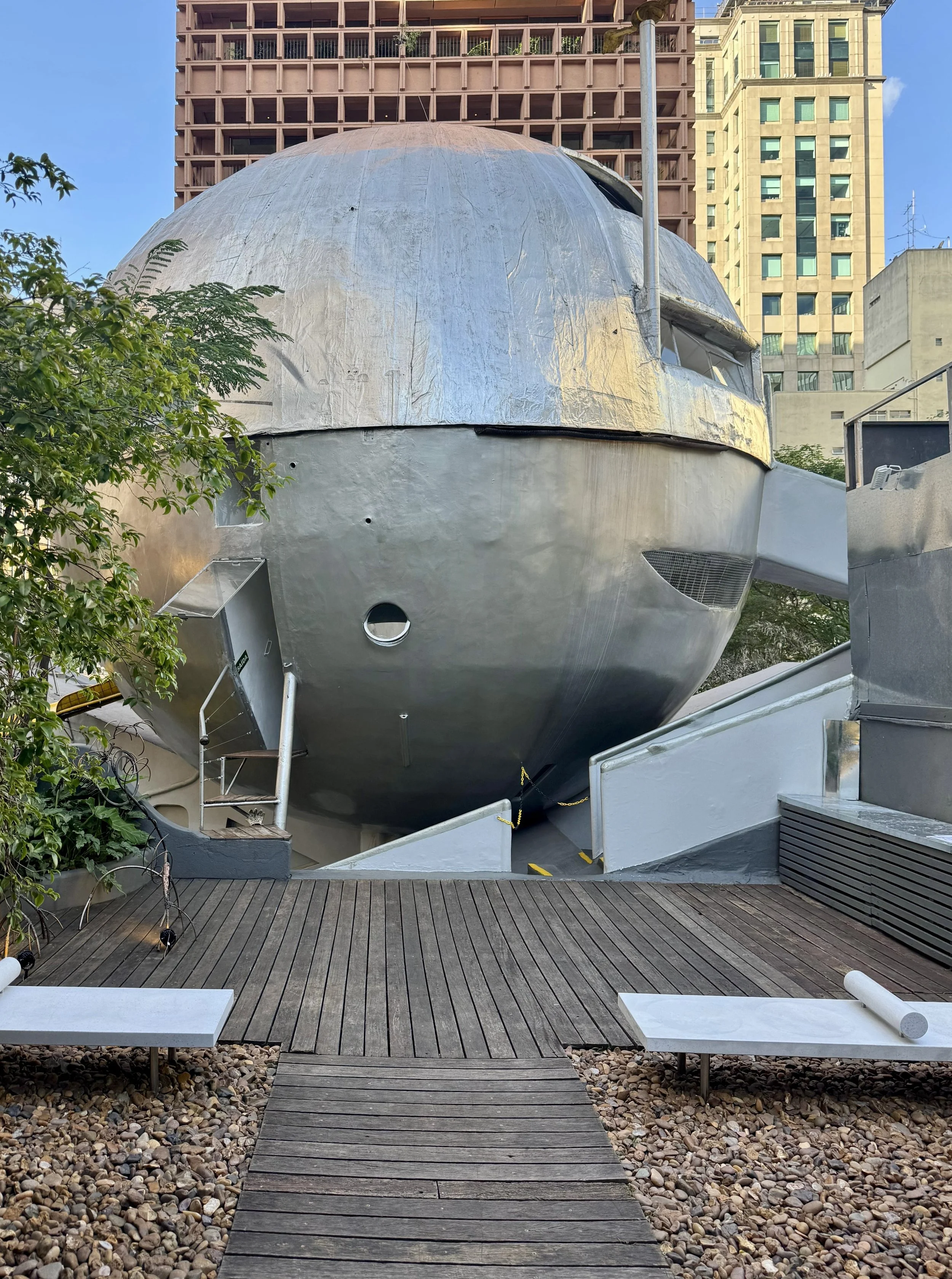
Courtesy of Eduardo Longo: Casa Bola, 1970s architectural wonder
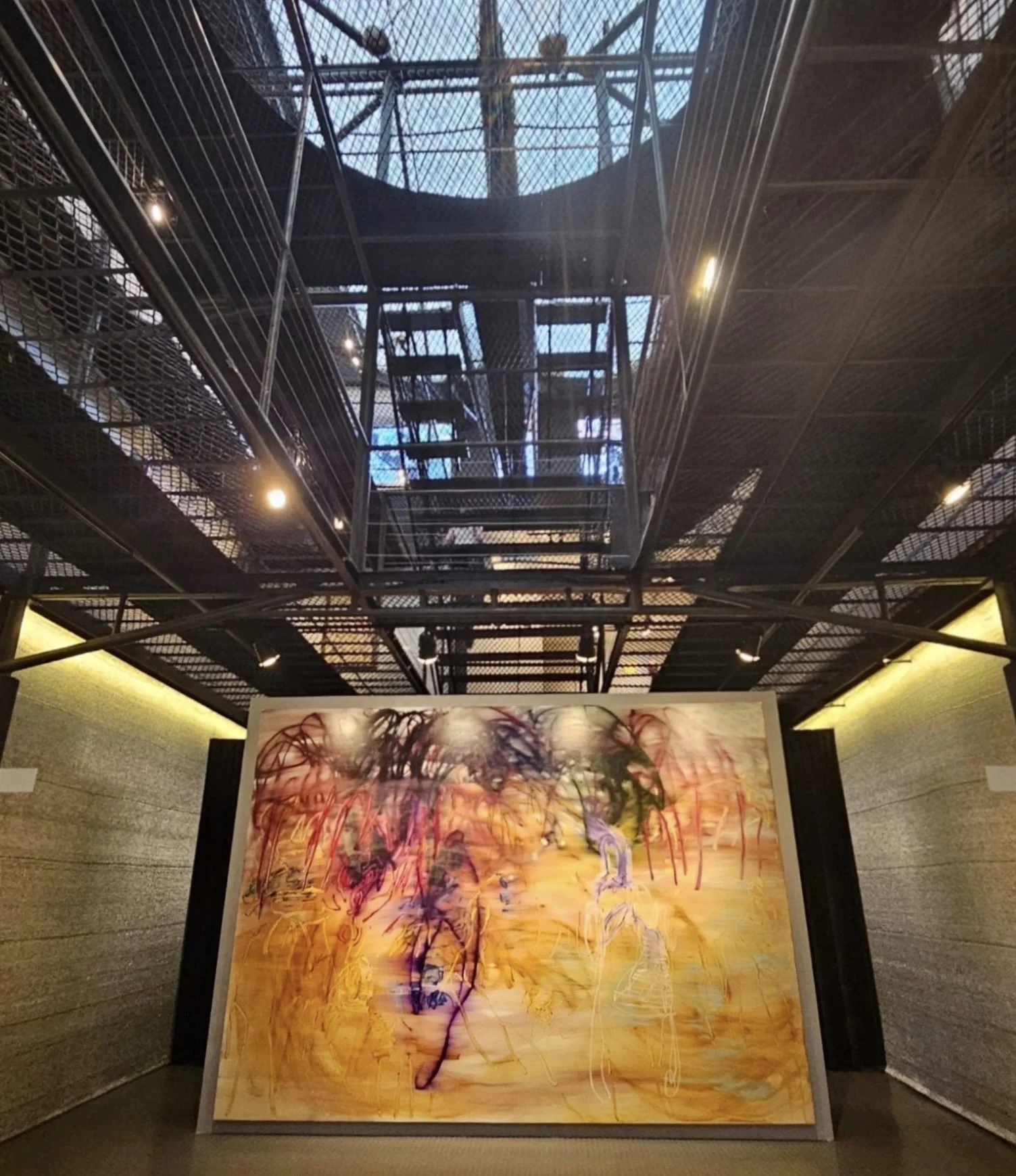
Art Courtesy of Artist & Curators: Janaina Tschäpe, “Se tocar o chão,” 2026, curated by Aberto5
Postscript: I am grateful for this experience, which fostered a community amongst our group of esteemed curators, advisors, and collectors whilst cultivating dialogue with some of Brazil’s most interesting and influential creatives. Special thanks to Latitude; the Brazilian Association of Contemporary Art (ABACT); the Brazilian Export and Investment Promotion Agency (ApexBrasil); and, most of all, Anamaria Boschi and her amazing team, including Fernanda Gama & Felipe Name.
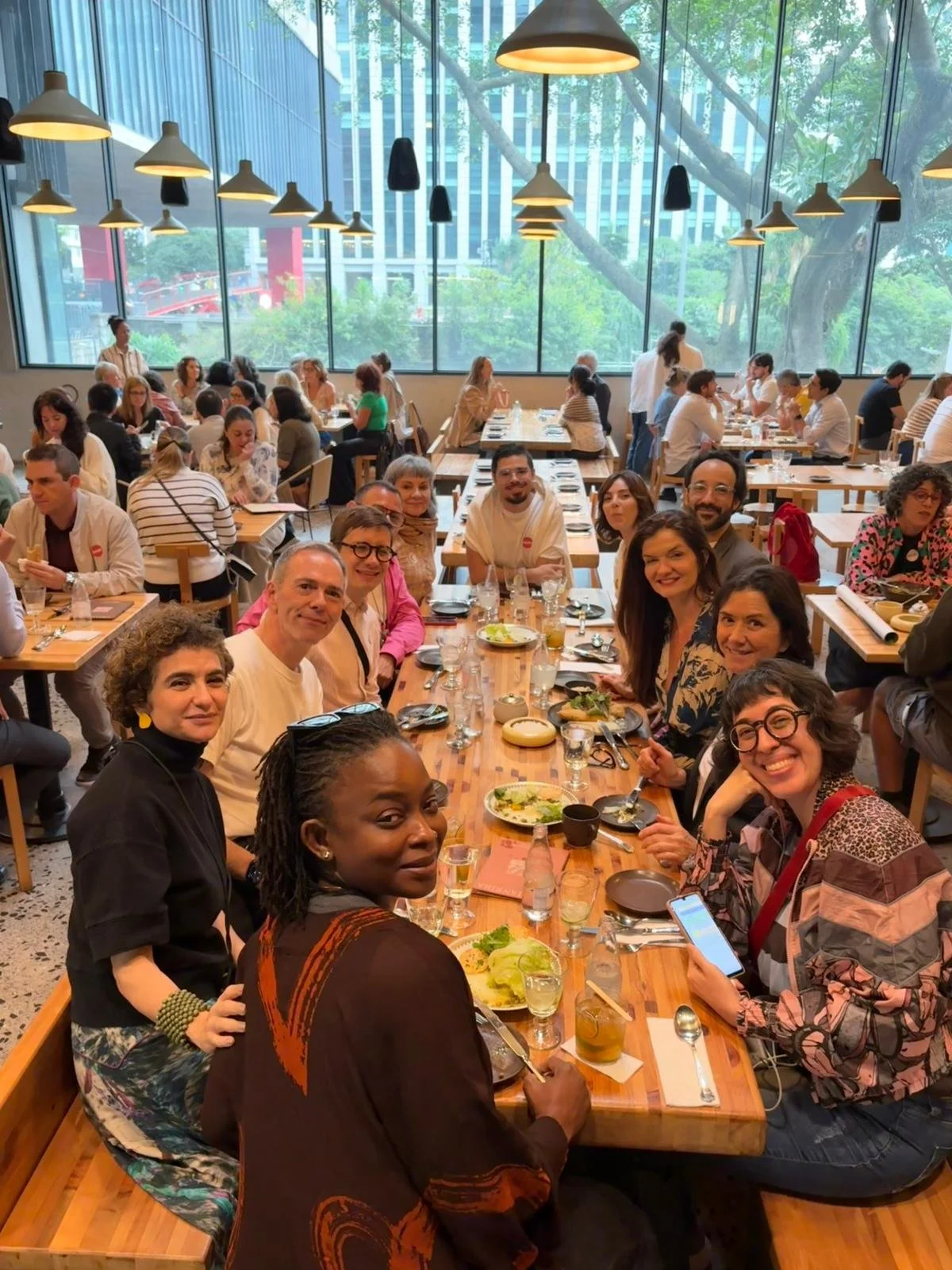
2026 Latitude Grant Program Members
UPCOMING Part II: In the Streets: São Paulo Architecture & Art, covering street art and architecture!
Additional Reading:
Brazil Art Market Report 2024. Commissioned by the Brazilian Association of Contemporary Art (ABACT) in partnership with ApexBrasil. São Paulo: Act Arte, 2024.
https://mailchi.mp/abact/welcome-to-brazilian-art-report-by-latitude-project-17466062
https://mailchi.mp/abact/welcome-to-brazilian-art-report-by-latitude-project-17466836
https://mailchi.mp/abact/welcome-to-brazilian-art-report-by-latitude-project-17462977
https://www.neo2.com/collegium-arte-contemporaneo-y-patrimonio-en-arevalo/

Content ©Vara Art